
In a region where the weather can shift from heavy snowfall to intense summer heat within a few months, your roof needs to be more than just a cover; it needs to be a flexible shield. For flat and low-slope structures, a professional rubber roofing install offers a level of resilience that traditional materials simply cannot match. By choosing a high-quality EPDM (Ethylene Propylene Diene Monomer) membrane, you are investing in a system designed specifically to handle thermal expansion and heavy precipitation without failing.
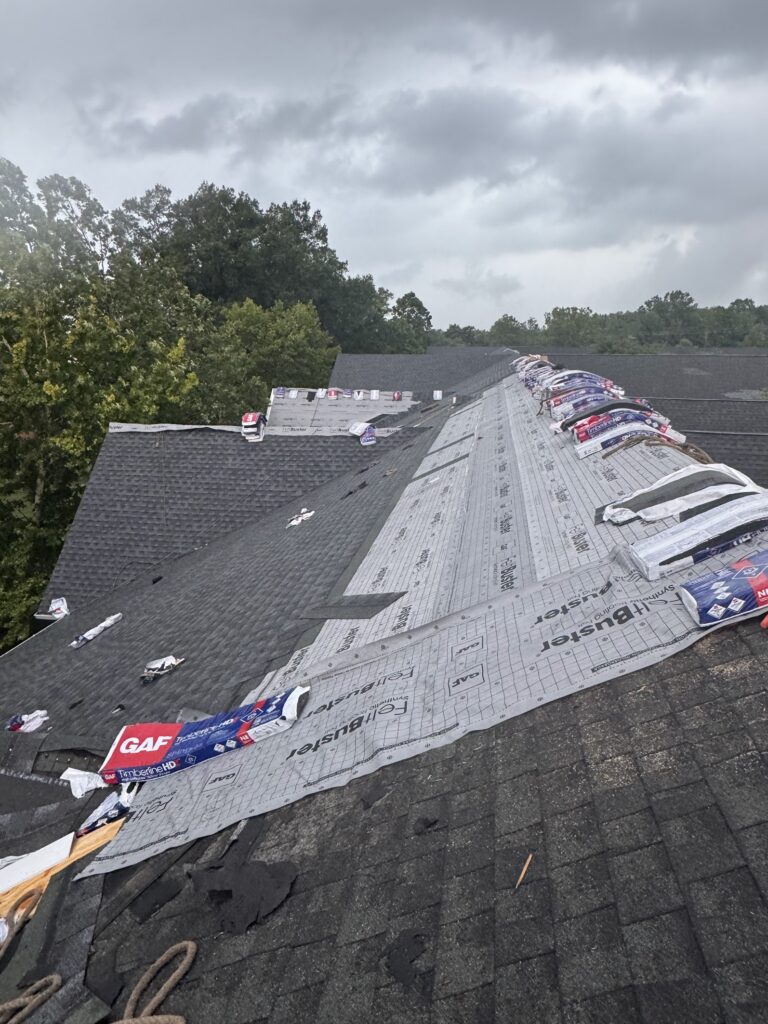
How Installing Rubber Roofing Creates a Smarter Weather Barrier
The primary reason that installing rubber roofing is considered so reliable is the molecular structure of the EPDM itself. Unlike asphalt or felt, which become brittle over time as they lose their natural oils, rubber remains elastic throughout its lifespan. This elasticity is a critical advantage in areas like Massachusetts, where the aggressive “freeze-thaw” cycle can cause more rigid roofing materials to crack and leak.
When you commit to installing rubber roofing, you are placing a seamless or low-seam barrier over your property. Because rubber can stretch and contract without losing its structural integrity, it moves in harmony with your house as temperatures fluctuate. This prevents the small stress fractures that typically lead to water infiltration in older, more traditional roofing systems.
Why Proper Installation Prevents Common Leaks
A high-quality rubber roofing install acts as a definitive answer to leaking problems because of how it handles joints and edges. In traditional roofing, seams are the weakest point. However, with modern rubber systems, large sheets often cover the entire roof area, significantly reducing the number of potential entry points for water.
During the process of installing rubber roofing, special attention is paid to “upstands” and “terminations”—the areas where the roof meets a wall or a chimney. Using specialized adhesives and flashing tapes, these areas are sealed into a single, cohesive unit. This level of detail is what makes the system so reliable during the heavy rainstorms and “Nor’easters” common to our coastal region.
Key Factors for a Successful Seal
- Substrate Preparation: Ensuring the wood deck is bone-dry and clean before the membrane is laid.
- Adhesive Bonding: Using high-grade contact cement that creates a permanent chemical bond between the rubber and the roof.
- Edge Trimming: Using professional-grade metal trims to prevent wind uplift during high-speed gales.
Long-Term Benefits for Property Owners
When you look at the total cost of ownership, a rubber roof install is one of the most financially sound decisions you can make. While the initial setup requires skilled labor, the lack of required maintenance over the next 30 to 50 years provides incredible value.
Rubber is naturally resistant to UV radiation and ozone, meaning it won’t “sunburn” or degrade even on the hottest July days. Furthermore, it does not support the growth of moss or algae, which often trap moisture against the roof and cause rot in other materials. For a Massachusetts property owner, this means fewer weekend repairs and more peace of mind.
| Performance Metric | Rubber (EPDM) | Traditional Bitumen |
| Expected Lifespan | 40+ Years | 10–15 Years |
| Temperature Range | -45°C to 120°C | Becomes brittle at 0°C |
| Maintenance | Almost Zero | Annual Inspections |
| Eco-Friendliness | Recyclable | Landfill Waste |
Enhancing Energy Efficiency Through Smart Materials
Another factor that makes a rubber roofing install a reliable choice is its impact on your home’s climate control. Modern rubber membranes can be coated or manufactured in colors that reflect sunlight. By reflecting thermal energy away from the flat roof—which usually absorbs the most sun—you can significantly lower your cooling costs during the summer months.
This thermal regulation also protects the internal structure of your home. By keeping the roof deck at a more consistent temperature, you reduce the strain on your attic insulation and HVAC systems, further solidifying the roof as a “durable investment” rather than just a temporary fix.
The Storm King Tradition: Quality You Can Trust
The success of a specialized project like a rubber roofing install depends entirely on the caliber of the team behind the tools. At Storm King Roofing Corp, we bring over two decades of practical experience to every South Shore home and business, ensuring that our technical advice is backed by real-world results. Our mission is built on the principles of hard work and transparency, which is why we treat your roof with the same care and precision as if it were our own. By combining industry-leading materials from trusted brands like GAF and CertainTeed with a commitment to fair, competitive pricing, we provide our neighbors in Norfolk and Plymouth counties with durable solutions that stand up to the unique demands of the local climate.
Visit Storm King Roofing Corp to book your free estimate for a professional rubber roofing install
Conclusion
What makes a high-quality rubber roofing install the most reliable choice is its unique combination of flexibility, seamless protection, and weather resistance. By installing rubber roofing, you are choosing a system that was engineered to withstand the exact pressures—wind, ice, and sun—that typically destroy traditional roofs. Whether you are dealing with a problematic flat extension or a commercial warehouse, a professional rubber roof install provides a level of security that lasts a lifetime.
Frequently Asked Questions
Is it okay to walk on a rubber roof?
Yes, EPDM is durable enough to handle occasional foot traffic for window cleaning or general maintenance. However, it is always best to avoid sharp objects or heavy furniture that could puncture the membrane.
How long does the process take?
Most residential projects can be completed in just one or two days. Because there are no hot torches or heavy machinery required, the disruption to your daily life is minimal.
Can rubber be installed over an existing roof?
In some cases, yes, but it is rarely recommended. To get the full 50-year benefit of the material, it is best to strip the old roof back to the wood to ensure a perfect adhesive bond.
Is the material environmentally friendly?
Absolutely. Most rubber membranes are made from recycled materials and are fully recyclable at the end of their long life, making them a much “greener” choice than petroleum-heavy asphalt.